Top 10 Push Button Switch Types for Global Buyers to Consider?
Push Button Switches are vital components in many industries. As global demand rises, understanding their types is crucial for buyers. According to a recent industry report, the push button switch market is projected to grow at a CAGR of 5.6% from 2022 to 2028. This growth reflects the increasing automation in manufacturing and consumer electronics.
Different types of Push Button Switches fulfill various needs. From momentary to toggle styles, each type serves specific functions across diverse applications. For example, illuminated switches enhance user experience by providing visual cues. However, buyers often overlook important factors like durability and environmental resistance, which can lead to unsatisfactory choices.
As the market expands, staying informed about trends is essential. Buyers must balance aesthetics, functionality, and reliability. Without proper knowledge, decisions may result in unexpected failures. It’s important to consider the latest innovations and practical applications when selecting the right Push Button Switch.
Top 10 Push Button Switch Types: An Overview of Key Features
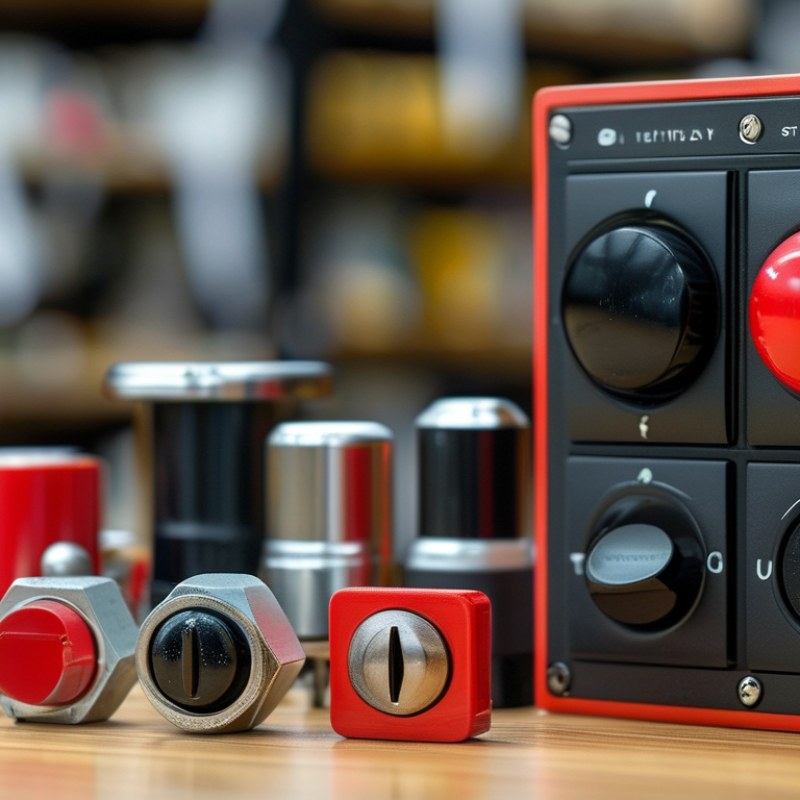
Push button switches play a vital role in various industries. They are essential in equipment that requires a user input to start or stop functions. Each type comes with specific features that cater to different applications. For instance, momentary switches remain popular for their simplicity. According to industry reports, these switches account for over 40% of global sales due to their versatility.
Additionally, latching push button switches provide a stable on/off function without needing continuous pressure. They are prevalent in consumer electronics. The global market for latching switches is projected to grow steadily, reflecting a demand for user-friendly designs. The tactile feedback they offer enhances user experience, particularly in devices where confirmation of action is crucial.
Another noteworthy type is illuminated push button switches. These switches offer visual cues for operational status. Reports suggest that consumers favor illuminated options in low-light environments. This feature has been key in industries like automotive and home automation. While this variety provides excellent functionality, producers must ensure they meet safety standards. Balancing innovation with reliability remains a challenge for manufacturers in this fast-evolving market.
Understanding the Functionality of Momentary vs. Latching Push Button Switches
When considering push button switches, it's essential to understand the differences between momentary and latching types.
Momentary switches are designed to engage only when pressed. Once released, they return to their original state.
This makes them ideal for temporary functions, such as activating a bell or starting a machine. Their simplicity offers effective control, yet it can lead to unintentional activations if not designed carefully.
Latching switches, on the other hand, maintain their state after being pressed. This means that once activated, they stay on until pressed again.
They are often used in scenarios requiring sustained power. However, their mechanism can be more complex. Users may accidentally leave them activated, which can be inconvenient or harmful.
Understanding these functionalities helps buyers make informed choices for their specific applications. The decision between momentary and latching switches often depends on the desired user interaction.
Each type has unique benefits, challenges, and potential pitfalls to consider.
Key Specifications: Ratings, Materials, and Durability Statistics
When considering push button switches, several key specifications play a crucial role. Ratings are vital for any switch. They determine the voltage and current capacity. A reliable switch handles the electrical demands of diverse applications. Choosing the right rating can prevent overheating or failure. It's important to analyze the working environment too. A switch used in extreme conditions needs a different rating than one in a controlled setting.
Materials also influence both performance and longevity. Common materials include plastic and metal. Each material has distinct advantages and disadvantages. For example, metal switches may last longer but can corrode in humid environments. Plastic offers immunity to rust but may not withstand heavy usage. Evaluating the environment and usage intensity can guide material selection.
Durability statistics are often overlooked but are essential. Switches are subjected to wear and tear, often leading to failures. Consider factors such as click life, which signifies how many times a switch can be used before malfunction. Regular testing and monitoring of switches help ensure reliability. Not all switches are created equal; some may fail under stress while others outperform expectations. Addressing these elements can make a significant difference in the performance of push button switches.
Global Market Trends: Demand for Push Button Switches in Various Sectors
The demand for push button switches is growing across various sectors. This trend highlights their versatility and effectiveness. In industries like automotive, electronics, and manufacturing, these switches play a crucial role. Their ease of use makes them ideal for devices requiring quick activation. More manufacturers are recognizing their potential.
Automotive applications often necessitate durable switches. These devices must withstand vibrations and extreme temperatures. Safety equipment also heavily relies on push button switches. In these scenarios, reliability is non-negotiable. Similarly, in consumer electronics, sleek designs that do not compromise function are increasingly preferred. Shoppers seek intuitive controls that enhance user experience.
Despite their popularity, not all push button switches are created equal. Buyers need to understand the specifications before making a choice. Quality control is essential. Some manufacturers may cut corners, leading to failures. This can result in higher costs for repairs or replacements in the long run. Buyers should prioritize brands with proven records. Market trends indicate a shift towards smart push button switches as well, integrating advanced technology for added functionality.
Top 10 Push Button Switch Types for Global Buyers to Consider
Application Insights: Industries Relying on Push Button Switch Technologies
Push button switches play a crucial role in various industries. In manufacturing, these devices enhance operational efficiency. They provide simple, reliable control mechanisms for machines. Factories utilize them to start and stop equipment. This minimizes downtime and allows for smoother production processes.
Healthcare also benefits significantly from push button technology. Medical devices often rely on these switches for precise control. For example, radiology equipment uses them for imaging procedures. This ensures quick responses during patient diagnosis. However, the healthcare sector must prioritize reliability and safety in their designs.
Another important area is consumer electronics. Push button switches are found in everyday gadgets. They simplify user interactions, enhancing product usability. Yet, manufacturers face challenges in creating durable designs. Frequent use can lead to wear and tear. Continuous innovation is vital to address these issues and improve longevity. Understanding these applications helps in selecting the right switch types for various needs.