Top Push Button Switch Types and Their Applications in Modern Technology?
Push button switches are integral to modern technology, found in various applications from consumer electronics to industrial machinery. According to a recent market report by Technavio, the global push button switch market is projected to grow by 7% annually, reflecting the increasing demand across multiple sectors. Experts believe that innovative designs are essential for meeting evolving user needs. Industry specialist Dr. Sarah Thompson states, “The versatility of push button switches makes them a cornerstone of user interface design.”
In recent years, push button switches have evolved significantly. Advanced materials and manufacturing techniques have led to more durable and reliable designs. These switches are not only functional but also aesthetically pleasing, enhancing user experience. However, some manufacturers struggle with quality control, leading to inconsistent performance in the field. As technology grows, the pressure to innovate intensifies.
The applications of push button switches are vast, but challenges remain. There are compatibility issues with old systems and the need for standardization. As Dr. Thompson emphasizes, “Keeping up with technological advancements is critical for the continued success of push button switches.” This highlights the need for collaboration among experts to address these challenges and capitalize on the immense potential in this market.
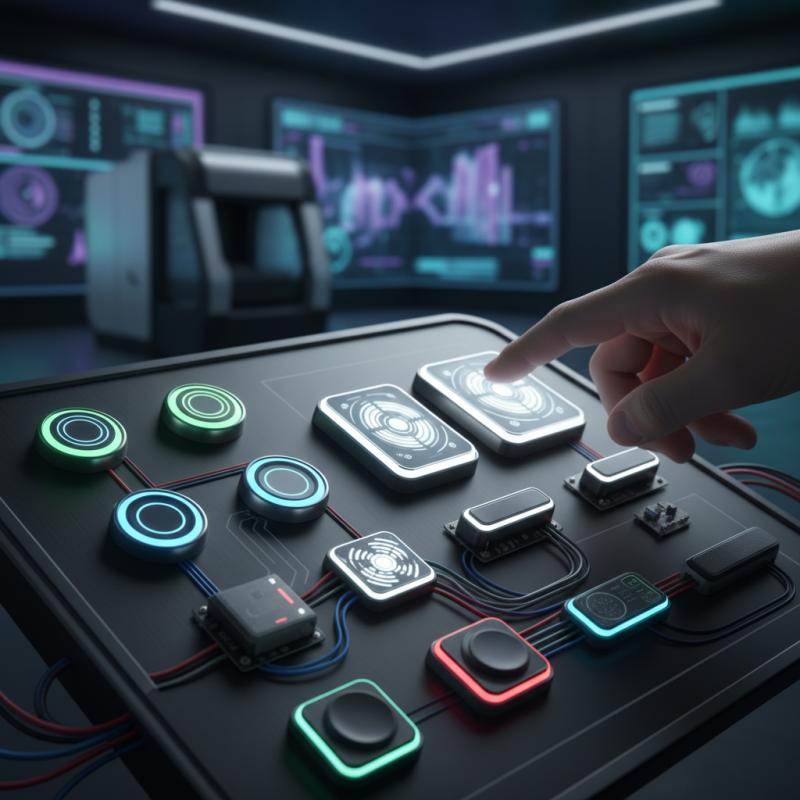
Different Types of Push Button Switches in Modern Devices
Push button switches are essential components in modern technology. They serve various functions, from simple on-off controls to complex commands in sophisticated devices. There are several types of push button switches commonly used today, each with unique applications.
One of the most prevalent types is the momentary push button switch. These switches activate only while pressed, making them ideal for applications like doorbells and calculators. According to industry reports, their popularity is driven by their simplicity and user-friendly design. Another type is the toggle push button switch, which maintains its position after being pressed. This switch is widely used in power tools and home appliances, providing users with reliability and ease of use.
Tips: When selecting a push button switch, consider the environment. Some switches are rated for higher temperatures or moisture exposure. Ensure the switch meets the specific needs of your application.
While push button switches are designed to be robust, issues can arise. For instance, frequent use may cause wear and tear. Users should assess the durability and lifecycle expectations for their specific applications. Understanding these variables can lead to smarter purchasing decisions.
Key Features of Push Button Switches: Material and Design Considerations
Push button switches have become integral to modern technology, offering diverse applications across various sectors. Their effectiveness often hinges on material selection and design considerations. High-quality materials such as polycarbonate and silicone are commonly used to enhance durability and user experience. For instance, a report by MarketsandMarkets indicates that the global push button switch market is projected to grow from $2.5 billion in 2023 to $4 billion by 2028, reflecting increased demand for robust designs.
Design considerations also play a crucial role. The actuation force, dimensions, and tactile feedback are key factors influencing user satisfaction. According to a study published by IEEE, the ideal actuation force ranges between 160 to 300 grams for optimal user interaction. Customization is essential as well; different industries require unique specifications. However, not all designs cater effectively to user needs, leading to potential usability issues. For example, switches that are overly stiff can frustrate users, resulting in negative experiences.
Sustainability is gaining traction in material considerations, too. Many manufacturers are exploring eco-friendly alternatives. However, achieving durability while minimizing environmental impact is challenging. This often leads to trade-offs that require careful evaluation. As technology continues to evolve, the industry must balance innovation with user-centric designs, highlighting the need for continuous improvement and reflection on design effectiveness.
Applications of Push Button Switches in Consumer Electronics
Push button switches have become essential in consumer electronics, driving innovation and usability in various devices. According to industry reports, the global market for push button switches was valued at approximately $8.23 billion in 2021 and is projected to grow at a CAGR of 4.5% through 2028. This growth highlights their increasing significance in various applications, from smartphones to smart home devices.
In smartphones, push button switches facilitate user interaction. They enhance functionalities like power control and volume adjustment. Reportedly, over 75% of smartphone users rely on these buttons for basic functions. Similarly, in smart home technology, push button switches are pivotal for ease of use, allowing consumers to control lighting, security systems, and appliances quickly. Yet, not every design meets user expectations. Some buttons may offer tactile feedback but can be overly sensitive, leading to accidental activations.
Moreover, the shift towards touchless technologies raises questions about the future of push button switches. While their physical presence adds comfort for users, the trend of voice and gesture commands is undeniable. Balancing these innovations with traditional interfaces may require further research and user feedback. Understanding user needs is critical to navigate this evolving landscape of consumer electronics efficiently.
Top Push Button Switch Types and Their Applications in Modern Technology
| Switch Type |
Description |
Common Applications |
Advantages |
| Standard Push Button |
A basic switch that activates when pressed. |
Home appliances, consumer electronics. |
Simple design, cost-effective. |
| Illuminated Push Button |
Features a built-in light indicator. |
Gaming consoles, audio equipment. |
Enhanced visibility, useful in low-light conditions. |
| Tactile Switch |
Provides tactile feedback when pressed. |
Keyboards, remote controls. |
Improved user interaction, compact size. |
| Slide Switch |
Switch activated by sliding action. |
Power management for gadgets. |
Durable, often more resistant to dust. |
| Rocker Switch |
Allows for on/off control with a simple rock. |
Lighting fixtures, home appliances. |
Easy to use, clear position indication. |
Industrial Uses of Push Button Switches: Automation and Control Systems
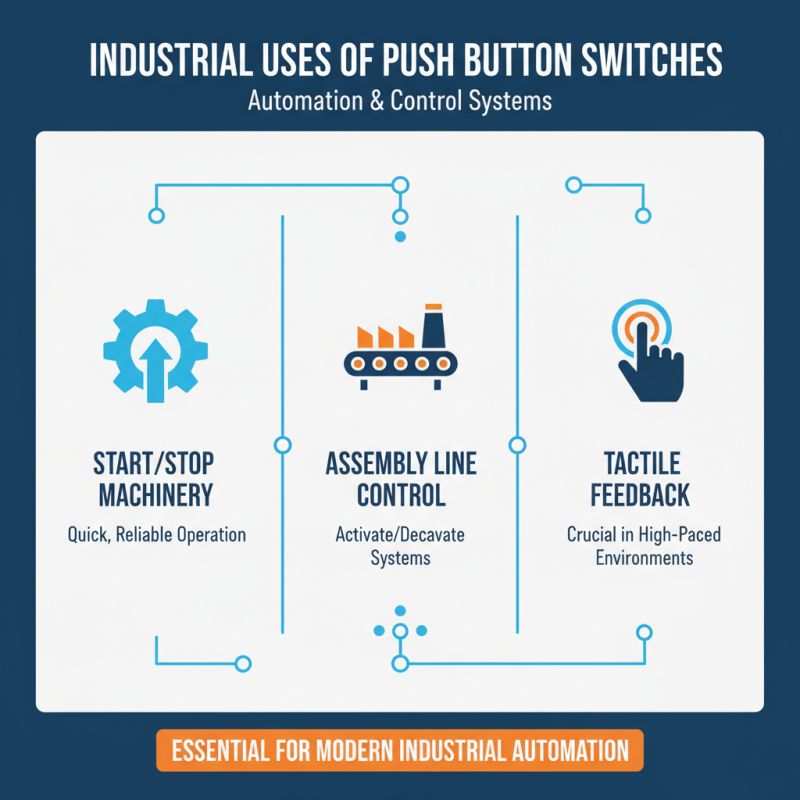
Push button switches play a critical role in automation and control systems across various industries. These devices enable quick and reliable operation of machinery and equipment. Users can easily activate or deactivate systems with just a press. For instance, in manufacturing, push button switches are essential for starting or stopping assembly lines. The tactile feedback they provide is crucial in high-paced environments.
In addition to manufacturing, push button switches are widely used in energy management. They help control power distribution in facilities, ensuring safety and efficiency. Many energy management systems integrate these switches for ease of use. However, their mechanical nature may lead to wear over time. Users often face challenges with durability, especially in rugged environments.
Automated systems also rely heavily on push button switches for emergency stops. Safety features are vital in industrial settings. Operators must ensure these switches remain functional. Regular maintenance is often overlooked but is necessary to avoid failures. Reflecting on user experiences can lead to improved designs and better usability in the future.
Future Trends in Push Button Switch Technology and Innovations
The future of push button switch technology is bright, driven by innovations in design and functionality. Emerging trends show a growing reliance on tactile feedback and customization. The global market for push button switches is forecasted to reach $10 billion by 2025. This growth highlights the diverse applications in consumer electronics, automotive, and industrial controls.
Smart technology integration is another key trend. Modern push button switches now often come with IoT capabilities. Users can control devices remotely through mobile applications. This shift toward smart design encourages greater interactivity and convenience.
Tip: When selecting a push button switch, consider compatibility with existing systems. Not all switches suit every application. Verify technical specifications for optimal performance.
Sustainability also shapes the future of push button switches. Manufacturers are exploring eco-friendly materials that reduce environmental impact. Innovations in production processes aim to minimize waste and energy consumption. This evolution reflects the broader trend toward sustainability in technology.
Tip: Regularly evaluate your switch options. Explore advances that improve efficiency and reduce environmental footprints. Adapting to new technologies can enhance user experience and operational sustainability.