Micro Switch Push Button Tips for Choosing the Best Option?
Choosing the right Micro Switch Push Button can be challenging. With many options available, it's easy to feel overwhelmed. Industry expert John Smith emphasizes, “Selecting the right push button is critical for optimal performance.” This highlights the importance of making an informed choice.
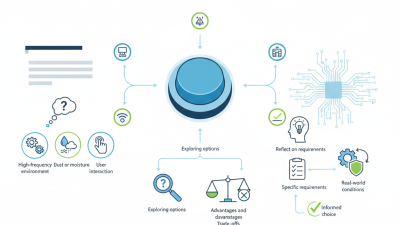
Micro Switch Push Buttons vary in size, design, and functionality. Understanding the application requirements is crucial. For instance, consider the environment where the button will be used. Will it be exposed to dust or moisture? This can affect durability.
A thoughtful selection process can prevent future issues. Some buttons may seem ideal at first but may not meet long-term needs. Users must reflect on their specific requirements. Adopting a process to evaluate options is vital. Ultimately, the right Micro Switch Push Button can enhance the overall efficiency of a device.
Types of Micro Switch Push Buttons: A Comprehensive Overview
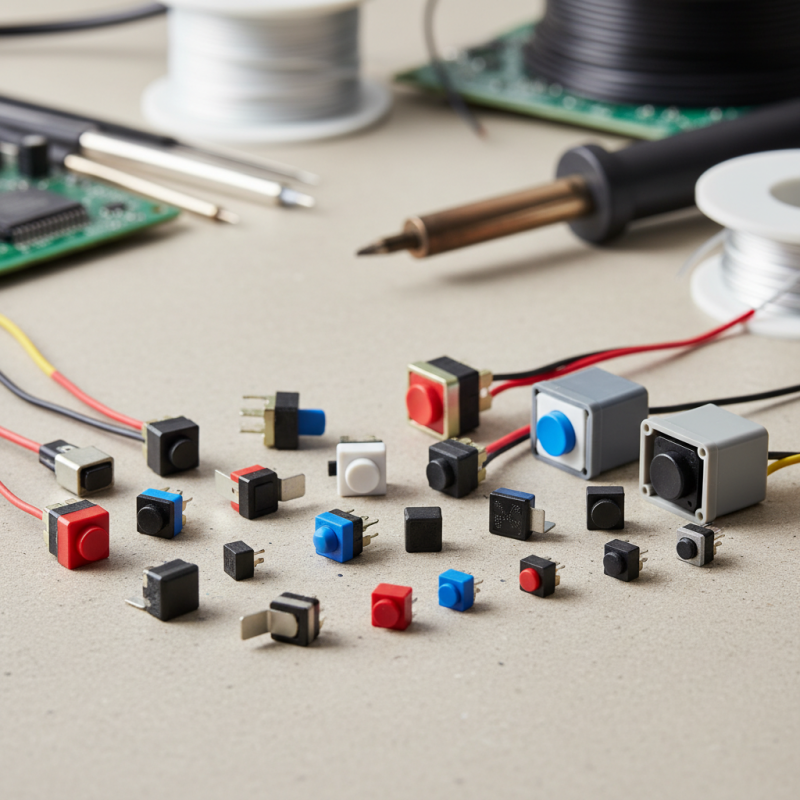
Micro switch push buttons are key components in various applications. These tiny switches offer various types and functionalities. Understanding the types is vital for effective selection.
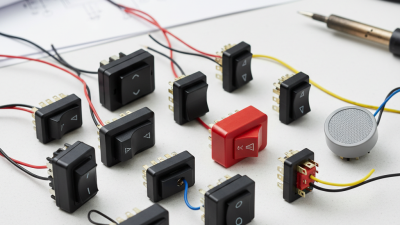
There are many types of micro switch push buttons, with each type serving a different purpose. For instance, momentary contact switches operate only while pressed. This makes them ideal for applications like doorbells. Toggle switches, on the other hand, maintain their state when released. This can lead to confusion if not properly selected.
Industry reports show that push button designs range widely. According to a 2022 market analysis, momentary switches account for approximately 45% of the market. This highlights their popularity in consumer electronics. Conversely, latch-type switches make up 25%. A common mistake is overlooking the environmental factors in choosing a type. Dust and moisture can impact performance. Make sure to consider these factors carefully when selecting a switch.
Key Features to Consider When Choosing a Micro Switch Push Button
When selecting a micro switch push button, key features play a crucial role. You should consider the actuation force required. It is essential to find a balance between sensitivity and resistance. Too much force can make the button hard to use. A light press is often better for user experience.
Another aspect to examine is the electrical rating. Different applications demand different specifications. A mismatch can lead to failure or poor performance. Look for the voltage and current ratings. Ensure they align with your system's needs. Pay attention to the button’s lifespan too. Some switches wear out quickly; others last longer.
Durability is vital in high-traffic areas. Materials used in construction can affect longevity. Plastic may offer a lower cost but can be less sturdy. Metal offers robustness, yet it could be pricier. Be mindful of the environment. Some buttons are more resistant to moisture or dust. Consider where your switch will be used. This helps ensure it meets all operational demands.
Micro Switch Push Button Key Features Comparison
Understanding the Durability and Performance Ratings of Push Buttons
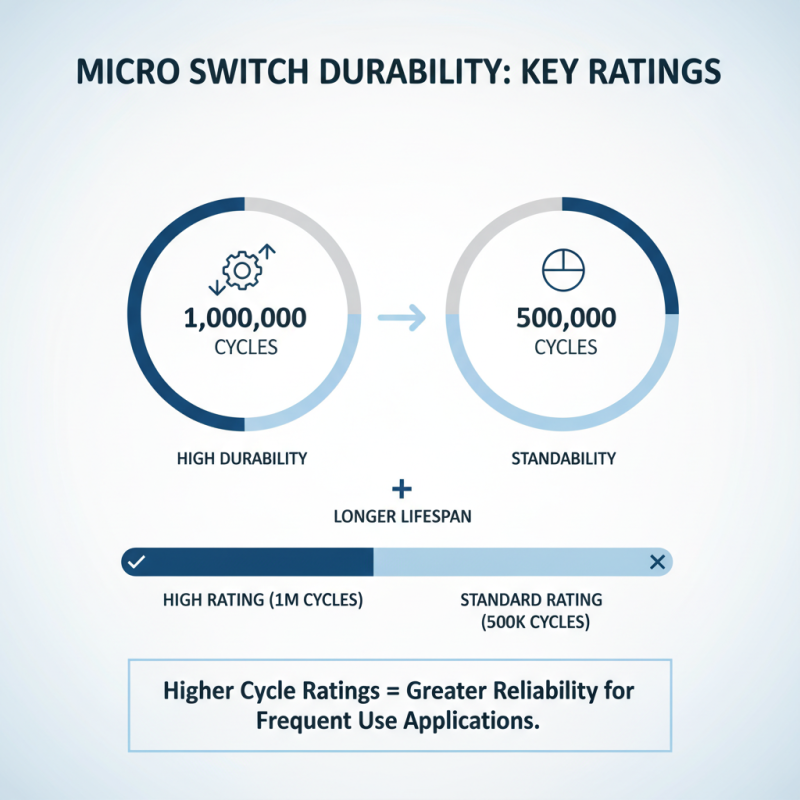
When choosing micro switch push buttons, understanding durability and performance ratings is crucial. A recent industry report noted that push buttons with higher ratings tend to have longer lifespans. For instance, switches rated for one million cycles often provide better reliability than those rated for just 500,000 cycles. This detail is essential for applications where frequent use is expected.
To select the best push button, consider the intended application. Look for wear resistance and mechanical performance. Tips include reviewing the manufacturer’s specifications carefully. Evaluate materials used in construction. A good switch should withstand heavy usage without losing functionality. Additionally, pay attention to the operating force. Some buttons may feel too stiff, which can affect user experience.
Data from testing also highlights that environmental factors matter. Humidity and temperature can influence switch longevity. A push button designed for harsh conditions might be necessary in specific applications. The wrong choice could lead to failures over time. Always opt for options that suit your environment and usage. Being mindful of these factors will help ensure better performance and endurance in your applications.
Best Applications for Micro Switch Push Buttons in Various Industries
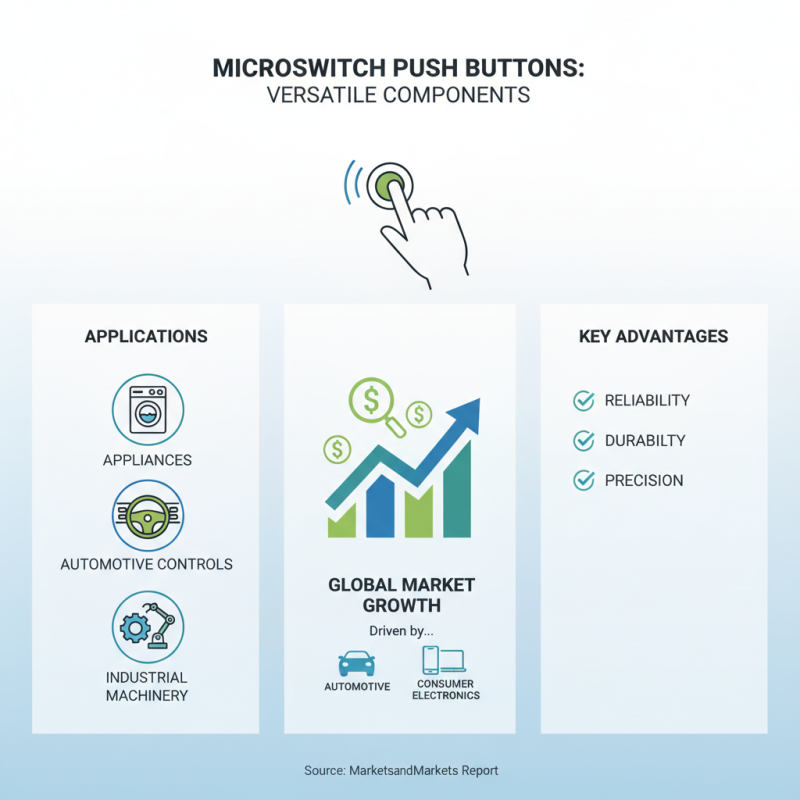
Micro switch push buttons are versatile components used in various industries. These buttons excel in applications such as appliances, automotive controls, and industrial machinery. According to a report by MarketsandMarkets, the global micro switch market is expected to grow significantly, driven by the demand in the automotive and consumer electronics sectors.
In environments with vibrations, micro switch push buttons can deliver reliable operation. Their compact size makes them ideal for space-constrained applications. However, selecting the right switch requires careful consideration of factors like actuation force and operating life.
When choosing a micro switch, consider the environment. Moisture and dust can affect performance. Evaluate the necessary electrical ratings to ensure compatibility with existing systems. Remember, not all switches are created equal. Some may fail under specific conditions. Taking these tips into account can save time and resources in the long run.
Tips for Installing and Maintaining Micro Switch Push Buttons Effectively
When installing micro switch push buttons, precision is key. Position the switch accurately. Improper alignment might lead to activation issues. Make sure to secure the switch firmly. A loose connection can cause the button to malfunction intermittently. Test the button after installation. It’s crucial to ensure it responds well. Often, it’s easy to overlook this step.
Regular maintenance is just as important as the installation. Dust and debris can impact performance. Use a soft brush or compressed air for cleaning. Monitor the button for signs of wear over time. Look for cracks or loose parts. Neglecting these details might lead to costly replacements. Additionally, consider the environment where the switch is used. Extreme temperatures might affect its functionality.
Always review your installation process. Did you follow best practices? Reflect on any challenges faced during setup. Learning from mistakes can improve future projects. Micro switch push buttons are reliable when maintained properly. Investing time in care can extend their lifespan significantly. Remember, attention to detail makes all the difference.