How to Choose the Right Micro Switch Button for Your Project?
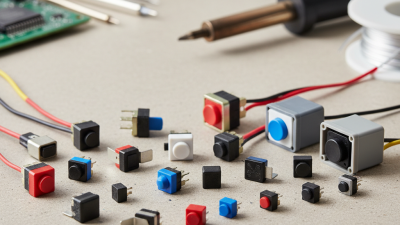
Choosing the right Micro Switch Button for your project can be challenging. With numerous options available, it’s easy to feel overwhelmed. Understanding the key features will help you make an informed decision. Each Micro Switch Button has distinct specifications. These specifications include size, actuator type, and voltage ratings.
Consider the specific requirements of your project. For example, some applications need a tactile response. Others might require a more sensitive switch. Reflect on how often the switch will be used. The durability of the Micro Switch Button matters greatly here. A button made of robust materials will last longer under heavy usage.
Quality is another crucial factor. Not all buttons are created equal. Some may wear out quickly or become unreliable over time. Research different manufacturers and read user reviews to gauge reliability. A little extra time spent on research can save you headaches later. Ensure your choice aligns with your project's goals for performance and longevity.
Understanding the Basics of Micro Switch Buttons in Electronic Projects
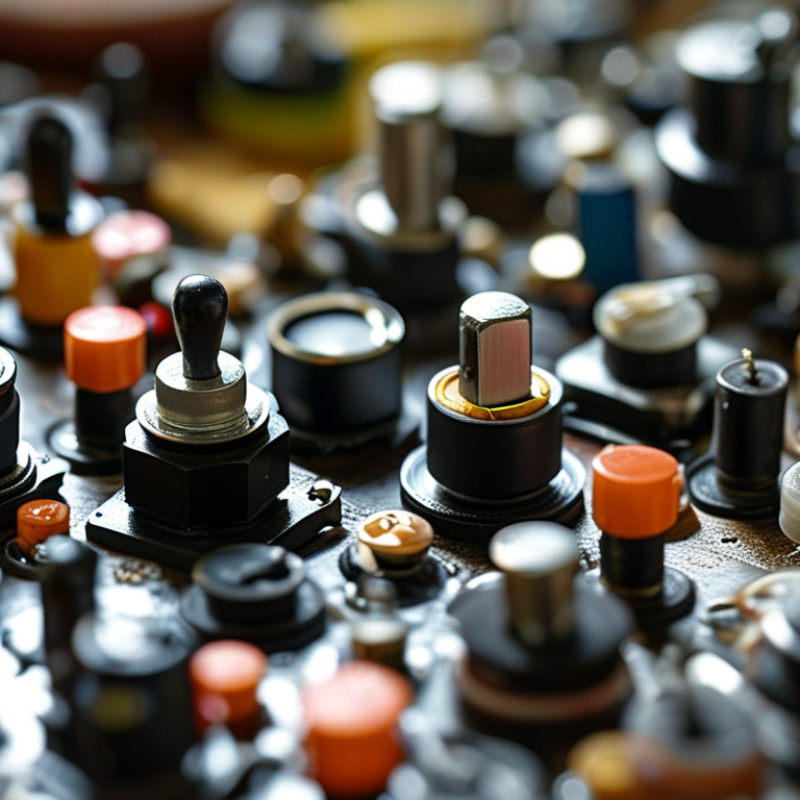
Micro switches are essential components in various electronic projects. They provide reliable control in applications that require precise on-off switching. Understanding their basic function is crucial for selecting the right micro switch for your needs. These switches operate with minimal movement, making them ideal for compact designs.
When choosing a micro switch, consider the load requirements. How much current and voltage will it handle? Pay attention to the actuation force needed. A switch that’s too sensitive may lead to false triggers. Conversely, a switch requiring too much force can frustrate the user.
It’s essential to understand the mounting options available. Some micro switches are panel-mounted, while others can be PCB-mounted. Choosing the wrong type can complicate assembly. Also, take note of the switch’s lifespan. A switch may function well initially, but premature failure can be a headache later. Testing different switches in your project can offer insights and help refine your choice.
Key Technical Specifications to Consider When Selecting Micro Switches
When selecting a micro switch, several key technical specifications should be taken into account. One important factor is the operating force. This is the amount of force needed to activate the switch. Different applications may require different forces. For example, delicate devices often need a light touch, while heavy machinery may require a firmer press. Assess your project's needs closely.
Another specification to consider is the electrical rating. This indicates the maximum voltage and current the switch can handle safely. Exceeding these limits can lead to failure or even safety hazards. Check the compatibility with your device’s power system. Testing under your specific conditions is advisable.
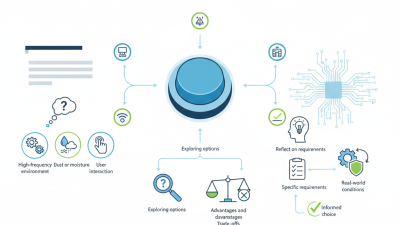
Environmental factors should not be overlooked. The switch's durability in different temperatures, humidity levels, and exposure to dust or liquids can impact its performance. Certain micro switches are designed for rugged conditions, while others excel indoors. Think about where your project will be used. It may be wise to prototype and observe how the switch behaves over time. Balancing these specifications with your design requirements is essential.
How to Choose the Right Micro Switch Button for Your Project? - Key Technical Specifications to Consider When Selecting Micro Switches
| Specification |
Description |
Example Value |
| Operating Force |
The force required to actuate the switch. |
100 - 300 grams |
| Lifetime |
Number of cycles the switch can operate before failure. |
1,000,000 cycles |
| Contact Rating |
The maximum load the contacts can handle. |
5A at 250V AC |
| Operating Temperature |
The temperature range within which the switch operates effectively. |
-25°C to 85°C |
| Switch Type |
Type of micro switch (e.g., SPDT, DPDT). |
SPDT (Single Pole Double Throw) |
| Mounting Type |
How the switch is mounted to the panel or housing. |
Through-hole or surface mount |
| Terminal Type |
Type of terminals used for connections. |
Screw, PCB Pins |
Analyzing Load Ratings: Choosing the Right Current and Voltage Ratings
Choosing the right current and voltage ratings for a micro switch is crucial. Load ratings directly affect device reliability. If the rating is too low, the switch might fail or overheat. This could lead to circuit failure in your project.
Consider the maximum load your circuit will experience. Calculate the expected current and voltage under normal operation. It’s essential to choose a switch that exceeds these values. A common mistake is selecting a switch based only on nominal values, ignoring peak loads.
Think about lifecycle demands too. Micro switches have a limited number of operations. Higher ratings often indicate a longer lifespan. However, they may come with higher costs. Balancing performance with budget can be tricky, requiring careful evaluation. As you analyze your needs, remember that a powerful switch may not always be necessary. Sometimes, a lower rating fits better, depending on your application.
Micro Switch Button Load Ratings Analysis
Different Types of Micro Switches and Their Applications in Industry
When selecting a micro switch for your project, understanding the different types is crucial. These switches are commonly used across various industries. Typically, there are two main categories: tactile and non-tactile switches.
Tactile switches offer a noticeable click and physical feedback. They work well in applications like keyboards and control panels. Non-tactile switches, however, are often used for remote controls. They provide silent operation, suitable for environments needing less noise.
Another important aspect is the different actuation methods. Some micro switches respond to physical pressure, while others to displacement. For instance, a lever actuated switch can be ideal for machinery. It often features robustness and durability. Conversely, a push-button switch is more suitable for consumer electronics. Each type of switch has unique specs affecting life span and performance.
In terms of applications, consider where the switch will reside. Will it be exposed to dust or moisture? This decides the seal rating you'll need. Environmental factors, like temperature and humidity, also influence your choice. Often, oversight in these details leads to malfunction. Be sure to reflect on your project requirements closely. Adequate research ensures you select the most reliable micro switch.
Best Practices for Integrating Micro Switches into Your Design Systems
Integrating micro switches into your design systems requires careful consideration. Start by assessing the operational environment for the switch. Factors such as temperature, humidity, and vibration can affect performance. Selecting a switch that can withstand these conditions is crucial for reliability.
Another important aspect is the actuation force. Understanding how much pressure users will apply helps in selecting the right switch. A switch that is too sensitive may lead to accidental activations. Conversely, a switch that requires too much force can frustrate users. Testing different actuation forces in mock-ups can reveal what works best.
Finally, consider the switch’s lifespan and durability. Many micro switches have rated cycles. However, real-world conditions can vary. Factors like dust and moisture can impact longevity. It’s wise to run long-term tests or consult with experts to ensure your chosen switch meets project demands. Balancing these aspects can lead to a more successful implementation of micro switches in your design.