For global buyers, choosing a Led Rocker Switch supplier involves more than comparing catalog prices. A dependable partner must balance electrical performance, tactile feedback, safety documentation, and delivery consistency. In practical sourcing work, small details often expose larger risks. A loose terminal, uneven illumination, or unclear wiring diagram can delay an entire production line. Buyers should examine switch ratings, contact materials, housing quality, ingress protection, and operating temperature. They should also request samples before approving volume orders. Samples reveal what spreadsheets hide. Good suppliers explain test methods, production controls, and traceability without avoiding difficult questions. Their answers should match technical documents and physical results. That consistency builds trust.
The strongest suppliers serve different markets with disciplined customization. They may offer LED colors, symbols, panel sizes, connector options, and branding support. However, customization should not weaken safety or reliability. Ask how design changes affect current draw, heat, switching life, and installation space. Confirm whether claimed certifications apply to the exact model, not merely a similar product. Regional compliance requirements can differ, so independent verification remains valuable. Delivery records, quality reports, warranty terms, and responsive engineering support also deserve attention. No supplier is perfect. Even experienced teams may overlook a packaging issue or underestimate seasonal demand. That is why a staged evaluation works better than a hurried purchase. This guide compares leading Led Rocker Switch suppliers through product evidence, manufacturing capability, communication quality, and global fulfillment experience. The goal is practical confidence, not promotional certainty. Choose carefully. Good sourcing begins with questions.
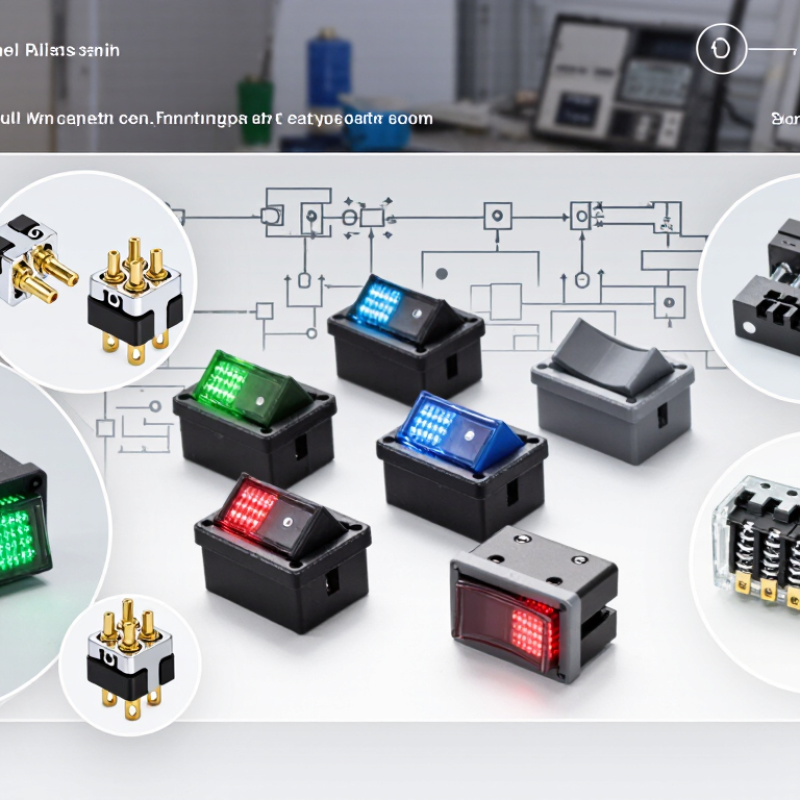
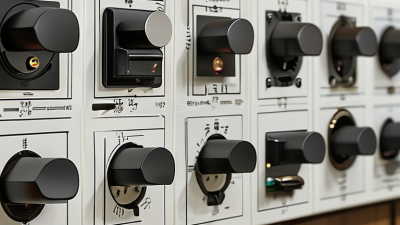
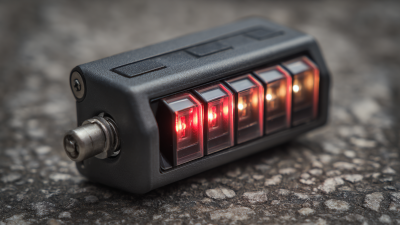
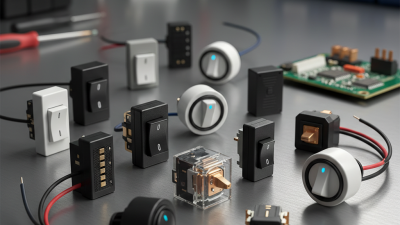
LED rocker switches combine simple control with instant visual feedback. Common types include SPST for on/off circuits and SPDT for selecting two outputs. Momentary versions return when released, while maintained versions stay in position. Some models use separate LED terminals, making illumination independent from the load circuit.
Important features include current rating, voltage range, contact resistance, terminal style, cycle life, and panel cutout size.
IP-rated housings suit marine equipment, outdoor machinery, and dusty control panels.
According to a 2024 Grand View Research report, the global automotive switches market was valued at approximately USD 6.3 billion in 2023. This growth reflects rising demand for compact controls in vehicles and industrial systems. However, market growth does not guarantee product quality. A bright LED can still hide weak contacts or poor heat management.
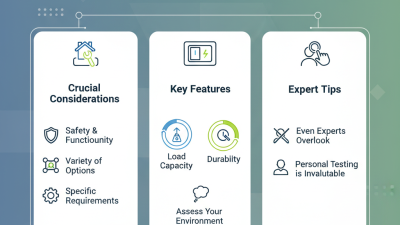
Tips: Match the LED voltage to the actual supply. Check the load’s inrush current, not only its running current. Verify the wiring diagram before installation. A 20A label may apply only under specific voltage and temperature conditions. I have seen incorrect panel measurements cause more failures than electrical defects. Leave clearance behind the switch for terminals and cable bending. Waterproof claims also need careful reading; an IP rating depends on proper installation, sealing, and testing conditions.
When global buyers evaluate LED rocker switch suppliers, product photos are weak evidence. Ask for rated voltage, continuous current, dielectric strength, contact resistance, LED wavelength, and operating temperature. A useful sample test uses a 12- or 24-volt supply, repeated switching, and a warm enclosure. Check terminal fit with the intended wire size. Small details matter. A switch that feels firm may still heat under load.
Supplier experience appears in records, not confident promises. Request batch reports, material declarations, change-control procedures, and traceable lot numbers. Review salt-spray, vibration, moisture, and endurance data when the switch enters vehicles, panels, or outdoor equipment. Inspect sealing around the actuator and terminals. An IP rating alone is not enough. Mounting conditions can reduce protection. Ask how failures are analyzed and how corrective actions are verified.
Reliable communication is another practical test. Can the supplier answer technical questions in clear English and provide drawings promptly? Confirm minimum order quantities, sample lead times, packaging, spare quantities, and export documents before placing an order. Independent certifications can support credibility, but verify certificate scope and validity. I have seen polished reports hide inconsistent samples. That is an uncomfortable warning. Test production samples, not only prototypes. Also compare response after a complaint; accountability often shows more than a catalog.
For global buyers, supplier region often signals a switch’s design priorities. East Asian manufacturers commonly offer broad catalogs, competitive pricing, and fast customization. Their strengths include illuminated rocker switches, laser-marked symbols, and molded nylon housings. Many factories support private-label production and medium-volume orders. However, catalog photos can hide differences in terminal plating or seal quality. Ask for samples. Test them under heat, vibration, and repeated switching before approving a large shipment.
European suppliers often emphasize engineering control, tactile consistency, and documented traceability. Their rocker switches may suit industrial panels, marine equipment, and demanding vehicle interiors. Buyers can expect careful material selection, stable actuation force, and clear inspection records. Costs may be higher, especially for low-volume projects. That trade-off is not automatically a weakness. It can reduce redesign work later. Yet documentation still needs checking; a polished datasheet does not replace independent verification.
North American suppliers frequently focus on rugged controls, service support, and application-specific assemblies. Their products may include high-current options, sealed bodies, custom cable leads, and mounting accessories. This is useful for utility equipment and outdoor control boxes. Regional distribution can shorten communication cycles. Delivery, however, depends on stock depth, not location alone. Compare lead times, warranty terms, minimum orders, and electrical ratings. A supplier’s real strength appears when a sample fails and the response is practical, fast, and transparent.
Quality begins with consistent testing, not attractive product photos. International buyers should request samples from every production batch. Check switch housing strength, LED brightness, terminal fit, and resistance to vibration. A reliable supplier can explain testing methods, tolerances, and expected service life. Ask for inspection records, not only promises. Small details matter.
Certification documents require careful review. Confirm the exact model number, rating, test standard, and issuing laboratory. A certificate for one switch may not cover another configuration. Buyers should also check voltage compatibility, insulation performance, and environmental ratings for the destination market. Compliance requirements vary by country and application. They can change. Supplier declarations are useful, but independent verification adds confidence. No document should replace physical testing.
Tips: Request samples, drawings, test reports, and traceability records before placing large orders. Compare the printed markings with the certification file. Keep approved samples for future inspections. Ask how production changes are controlled. Some suppliers answer quickly but provide vague evidence, which deserves a second look. I have found that clear technical communication often predicts better after-sales support. Still, audits are not perfect, and even experienced buyers can miss packaging damage or inconsistent labeling. A practical inspection plan remains necessary.
Top LED Rocker Switch Suppliers for Global Buyers
Bulk buyers should compare landed cost, not unit price alone. A supplier quote must separate switch price, tooling, packaging, freight, and applicable import charges. Ask for MOQ, monthly capacity, sample lead time, and production lead time. IEC 61058-1 evidence may support quality reviews for relevant applications. Request current test records, not copied certificates. UNCTAD’s Review of Maritime Transport 2023 states that over 80% of global merchandise trade moves by sea. Delays at ports can therefore reshape your real purchase cost.
Pricing changes with LED color, voltage, terminal material, sealing level, and housing tolerance. A low-cost switch may require more inspection or replacement stock. The World Bank’s 2023 Logistics Performance Index assessed 139 economies across customs, infrastructure, and delivery timeliness. Use those factors when selecting production and consolidation locations. I would also challenge optimistic lead-time promises. They often exclude component shortages, holiday closures, or inspection delays. That small gap can damage a launch schedule.
Tips: Request a three-stage quotation: sample, pilot batch, and volume order. Compare identical specifications. Keep two approved suppliers for critical models. Define acceptable defect levels, carton labels, moisture protection, and pre-shipment inspection terms. One practical detail matters: photograph sealed cartons before loading. It helps resolve quantity disputes later. Suppliers should disclose change-control procedures for LEDs, terminals, and plastics. Procurement teams sometimes overlook this, and the mistake is expensive.