How to Choose the Right Push On Off Switch for Your Needs?
Choosing the right Push On Off Switch is crucial for various applications. This switch type enables easy control of electrical devices. With numerous options available, identifying the best fit can be challenging.
Understanding your specific needs is essential. Consider the device's power requirements. The right switch can enhance performance and safety. Each Push On Off Switch has different features. Some offer light indicators, while others focus on durability.
It's important to reflect on your choices. Sometimes, users overlook crucial factors like compatibility and ease of installation. A thorough evaluation ensures you make an informed decision. Take your time to analyze and choose wisely. A well-chosen switch can make a significant difference in usability.
Understanding Different Types of Push On Off Switches
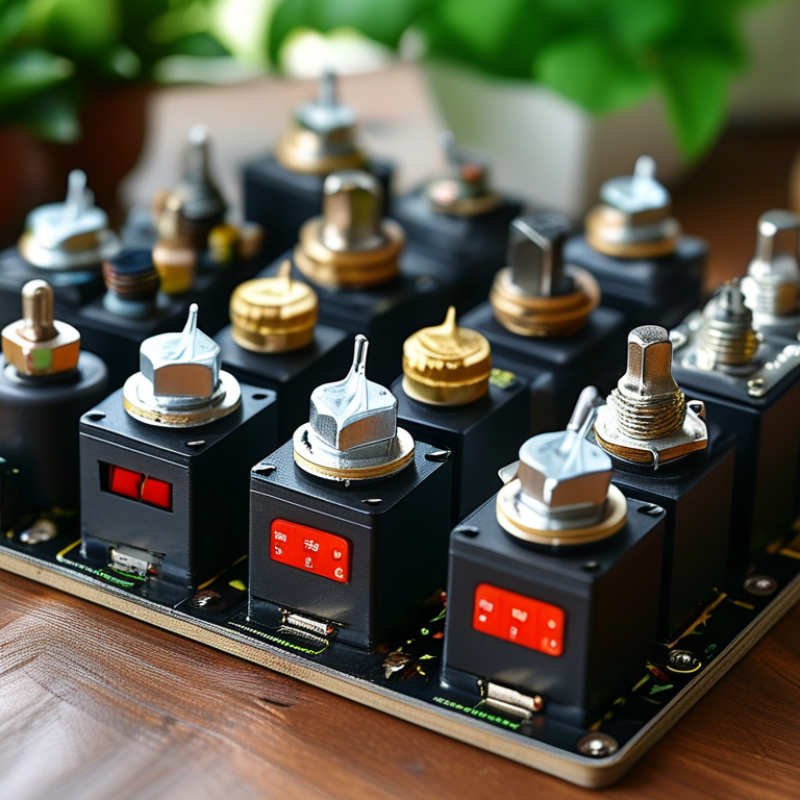
When selecting the right push on off switch, understanding the different types available is crucial. These switches come in various designs and functionalities. For instance, momentary and latching switches serve unique purposes. Momentary switches activate only when pressed. This design is ideal for temporary operations. Latching switches maintain their state until pressed again. They are suitable for applications requiring persistent activation.
Consider the application environment when choosing a switch. Some switches are rated for higher voltages and currents. Others are more suited for low-power devices. The materials used in the switch construction also matter. Metal contacts may provide durability, while plastic components could be more lightweight. Pay attention to the installation method as well. Panel-mounted switches may need different setups than through-hole designs.
It's essential to reflect on how you plan to use the switch. Will it be exposed to moisture or dust? This factor influences long-term performance and reliability. Choose switches with appropriate IP ratings for challenging environments. Additionally, think about the tactile feel and size. A switch that feels right in your hand enhances user interaction. Finding the best fit may take time and experimentation. However, this investment pays off in performance and satisfaction.
Factors to Consider When Selecting a Push Switch
When selecting a push on/off switch, several factors are crucial to ensure optimal performance. First, consider the switch's rating. This includes voltage and current specifications. A mismatch could lead to failure or hazards. According to industry reports, approximately 30% of electrical failures in consumer devices stem from inappropriate switch ratings. Always check the specifications for compatibility with your circuit.
Next, evaluate the switch's size and design. Space constraints may limit your options. A compact switch may be necessary for smaller devices, while larger appliances can accommodate bulkier designs. In a survey by the Electrical Safety Foundation, 45% of professionals noted that improper sizing often results in increased wear and tear on the switch, leading to early failures.
Finally, look into the switch's durability and environmental resistance. Some switches offer IP ratings, indicating protection against dust and moisture. This is essential for outdoor or high-humidity applications. Data indicates that over 25% of circuit failures can be attributed to environmental factors affecting switch components. Understanding these aspects ensures a reliable and efficient solution tailored to your specific needs.
Compatibility with Electrical Components and Systems
When selecting a push on/off switch, compatibility with your electrical components is crucial. Different systems require unique specifications. Ensure the voltage and current ratings of the switch match your needs. Check the lifespan of the switch too; some may fail quicker. This can cause issues, especially in high-cycle applications.
Tips: Always review the technical specifications before purchase. If unsure about compatibility, seek advice from an expert. Double-check your circuit layout to avoid surprises.
Another aspect to consider is the physical dimensions of the switch. A switch that fits well in your space is essential. A poorly fitting switch can lead to operational problems. Take measurements carefully and ensure there is enough room for connection. A tight fit might restrict airflow or cause overheating.
Tips: Measure twice, choose once. Don’t overlook the switch’s mounting style—some require different installation techniques. Make sure you have the right tools for proper fitting.
Best Practices for Installation and Use of Push Switches
Installing a push on/off switch requires careful planning. Ensure the switch can handle the voltage and current your system demands. The placement is crucial; it should be easily accessible. Avoid corners where you might accidentally bump it. A switch that’s too low or too high can lead to inconvenience. Use appropriate wiring methods to ensure safety and longevity.
When using push switches, maintenance is vital. Dust and debris can accumulate, affecting performance. Regular inspection helps identify these issues early. Consider labeling the switch for clarity, especially if multiple switches are present. This small step can prevent mistakes during operation. Reflect on your setup periodically. If you find frustrations with accessibility or functionality, it may be time to rethink your switch placement or type.
Push On/Off Switch Usage Statistics
Common Applications for Push On Off Switches in Various Industries
Push on off switches are widely used across various industries due to their efficiency and simplicity. In manufacturing, these switches control machinery and equipment, ensuring seamless operation. They are reliable in heavy-duty environments, where durability is essential. Operators can easily toggle devices on and off with a simple push, minimizing downtime.
In the automotive sector, push on off switches play a crucial role in ignition systems and lighting controls. They offer convenience and enhance the user experience. For example, drivers appreciate the swift response of these switches in critical situations. However, the durability of these switches can sometimes fall short in extreme conditions, requiring careful consideration before installation.
The electronics industry also benefits from push on off switches in consumer devices. They are common in household appliances, gaming consoles, and more. Users enjoy the straightforward functionality these switches provide. Balancing aesthetics and pressure sensitivity can be challenging. Finding a switch that meets all needs while ensuring longevity is key.
How to Choose the Right Push On Off Switch for Your Needs? - Common Applications for Push On Off Switches in Various Industries
| Application Industry |
Common Use Cases |
Switch Type |
User Preference |
| Consumer Electronics |
Home appliances, gadgets |
Tactile push switches |
Compact and easy to operate |
| Automotive |
Lighting, ignition systems |
Momentary switches |
Durability and weather resistance |
| Industrial Equipment |
Machinery control, safety systems |
Heavy-duty toggle switches |
Robustness and reliability |
| Medical Devices |
Diagnostic equipment, patient monitoring |
Sealed push button switches |
Hygiene and sensitivity |
| Telecommunications |
Switchboard operations, network management |
Illuminated push switches |
Visibility and feedback |