How to Choose the Right Micro Limit Switch for Your Needs?
Choosing the right Micro Limit Switch is crucial for various industrial applications. According to a recent market report by Technavio, the global Micro Limit Switch market is expected to grow by over 5% annually in the next five years. This growth is driven by increasing automation in manufacturing and the rising need for precise control in machinery.
Dr. Emily Carter, a leading expert in automation technology, emphasizes the importance of choosing the right switch. She states, “Selecting a quality Micro Limit Switch can significantly improve operational efficiency and reduce failure rates.” This highlights the critical role of quality in industrial devices.
However, the selection process often poses challenges. Factors such as environmental conditions, operational requirements, and mechanical compatibility must be considered. It's common for professionals to overlook these elements, leading to suboptimal choices. Prioritizing reliability and functionality is essential in ensuring successful integration into systems. Evaluating your needs against available options can truly make a difference.
Understanding Micro Limit Switch Basics and Functionality
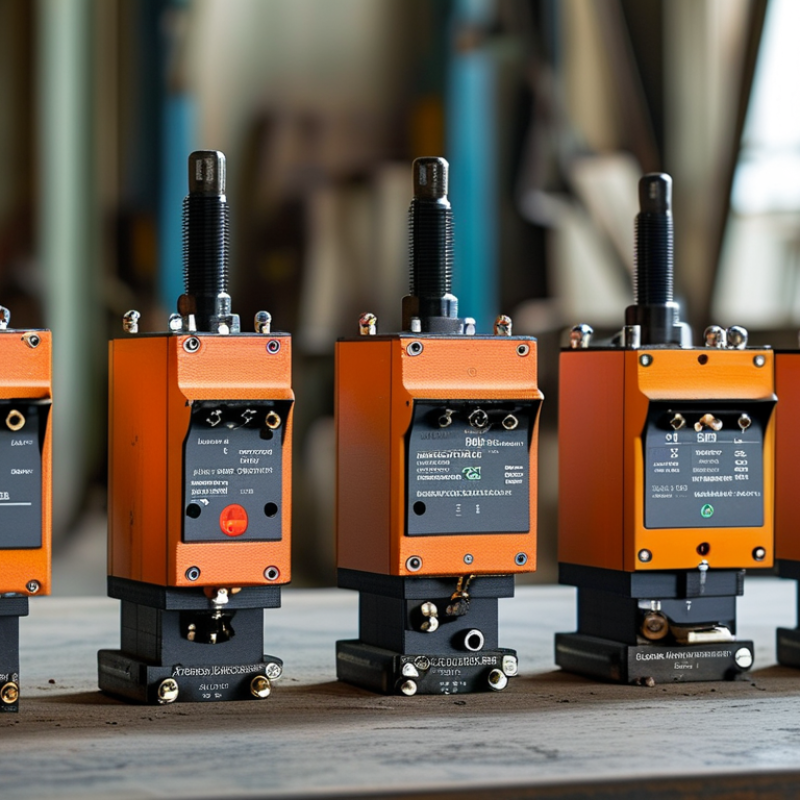
Micro limit switches are essential components in many electromechanical systems. Understanding their basic functionality helps in making informed choices for specific applications. These switches are designed to detect the position of a moving object. When the object comes into contact with the switch, it triggers a signal. This simple mechanism plays a vital role in automation and safety.
When selecting a micro limit switch, consider the environment. Harsh conditions, such as dust or moisture, can affect performance. Choosing a switch with the appropriate sealing and housing can enhance durability. Moreover, pay attention to the actuator type. Different designs, including plunger, roller, or tilt, dictate how the switch interacts with the moving part. The choice of actuator greatly influences the switch's responsiveness.
Here are some practical tips: Always check the switch's ratings for voltage and current. Ensure they match your system’s requirements. Additionally, think about the installation process. Some switches may need specific mounting setups. Take a moment to reflect on how all these factors influence your decision. An informed choice today leads to reliable operation tomorrow.
How to Choose the Right Micro Limit Switch for Your Needs?
| Feature |
Description |
Considerations |
| Actuation Type |
Different types include lever, roller, push, and toggle. |
Choose based on the application requirements and available space. |
| Operating Force |
The amount of force required to actuate the switch. |
Ensure the force aligns with the mechanical components in your design. |
| Electrical Ratings |
Max voltage and current the switch can handle. |
Select a switch rated higher than your operating conditions. |
| Temperature Range |
Operating temperature range for proper function. |
Consider ambient conditions where the switch will be used. |
| Size and Mounting |
Physical dimensions and how it can be installed. |
Ensure it fits your assembly and provides a secure mounting option. |
| IP Rating |
Ingress Protection rating for dust and water resistance. |
Select based on the environmental conditions of the application. |
| Lifecycle |
Number of actuation cycles the switch can endure. |
Consider expected usage and replacement intervals. |
Identifying Your Specific Application Requirements
When selecting a micro limit switch, understanding your specific application requirements is crucial. Different environments demand different specifications. For instance, a report from the International Society of Automation indicates that up to 40% of device failures are related to improper switch selection. Factors like operating temperature, humidity, and exposure to contaminants significantly influence the switch's performance.
Assess the electrical specifications needed for your system. Micro limit switches often come with varying voltage and current ratings. Industry data shows that 60% of failures occur due to exceeding these ratings. Additionally, consider the physical dimensions and mounting options. A poorly fitted switch can lead to mechanical failures. Pay attention to the actuator type as well, as it affects operational speed and precision.
Engage with application professionals when in doubt. Their experience can help refine your requirements. Many users overlook crucial details, leading to suboptimal choices. A comprehensive understanding of your application can mitigate risks. Analyze the switching mechanism's durability. Manufacturers often provide data on lifespan under specific load conditions. Remember, the right choice ensures long-term reliability and performance.
Evaluating Different Types of Micro Limit Switches
When selecting a micro limit switch, understanding the various types is essential. Micro limit switches come in various configurations. There are standard switches, sealed switches, and adjustable options. Each type has distinct advantages and applications. Sealed switches work well in harsh environments, protecting against moisture and dust. Standard switches may suffice for less demanding applications but could fail in extreme conditions.
Choose based on your specific needs. Consider the operating environment. If you expect exposure to contaminants, a sealed switch is preferable. Evaluate the load requirements as well. Some switches handle more current than others. Adjustability is a feature worth noting, too. An adjustable switch allows for flexibility in setup but may add complexity.
Pay attention to the actuator type. A direct-action actuator might serve better for precise applications. A roller actuator can follow moving objects more effectively. Don’t overlook installation requirements. Some switches need more space than others. It's also advisable to check the switch's rated lifespan. Even reliable choices can fail prematurely if not suited for the task.
Key Features to Consider When Selecting a Micro Limit Switch
When selecting a micro limit switch, several key features come into play. First, consider the switch's size and design. A compact form factor allows for flexible placement in tighter spaces. Evaluate the maximum operating voltage and current ratings. Ensure they meet your specific application requirements.
Another area to focus on is the actuator type. The choice of actuator can affect the switch's performance and responsiveness. Mechanical levers, rollers, or plungers each offer different benefits. Matching the actuator to your project's needs will enhance reliability.
Tips can elevate your decision-making process. Conduct thorough research on potential switches and materials. An end-user’s experience can provide insights that specifications might miss. Pay attention to potential failure modes during testing. Understanding these factors can lead to a more effective selection. Adaptability and real-world testing are crucial in this decision. Make informed choices based on practical application rather than theoretical specifications.
Tips for Installation and Maintenance of Micro Limit Switches
When dealing with micro limit switches, proper installation and maintenance are essential for optimal functionality. These switches serve critical roles in various applications, from industrial machinery to home automation. Understanding how to install and maintain them can significantly enhance their lifespan and performance.
Installing micro limit switches requires careful alignment. Ensure the switch actuates at the desired position. Misalignment can cause faulty operations, leading to potential equipment damage. Tighten all mounting screws securely but avoid over-torquing, as it may deform the switch housing. Regular inspections are beneficial. Check for signs of wear or physical damage. Cleaning the switch contacts with a safe electrical cleaner can prevent issues. Remember, an unclean contact may cause intermittent functionality.
For maintenance, keep an eye on the environment. Dust and moisture can adversely affect performance. Using protective covers can minimize such risks. Additionally, consider the voltage and current ratings specified for your switch. Exceeding these limits can lead to premature failure. A checklist for each switch can help identify potential problems early on. Trusting your instincts is important here; if something seems off, it’s better to investigate than to ignore it. Regularly revisiting your maintenance practices can lead to better decision-making in the long run.
Micro Limit Switch Usage and Performance Data