How to Choose the Right Micro Limit Switch for Your Needs?
Choosing the right Micro Limit Switch is essential for many industrial applications. According to a recent report, over 70% of machinery failures are linked to improper specifications of components like limit switches. This underscores the importance of selecting the right product. Experts emphasize that micro limit switches play a critical role in safety and functionality. As noted by industry leader John Adams, "The right switch can enhance operational reliability significantly."
Micro Limit Switches come in various types and configurations. Understanding the specific needs of your application is crucial. Many options exist, making the choice overwhelming. Statistics reveal that selecting the wrong switch can lead to increased downtime and unexpected costs. Proper guidance is often lacking, leading to suboptimal decisions. A careful analysis of requirements and proper consultation can prevent costly mistakes.
Real-world applications highlight the significance of this choice. Factors such as load capacity, environmental conditions, and response time must be considered. These elements directly impact performance. While there’s an abundance of information available, the nuances of each application must be recognized. This can be challenging, yet it is essential for achieving success in automation and control systems.
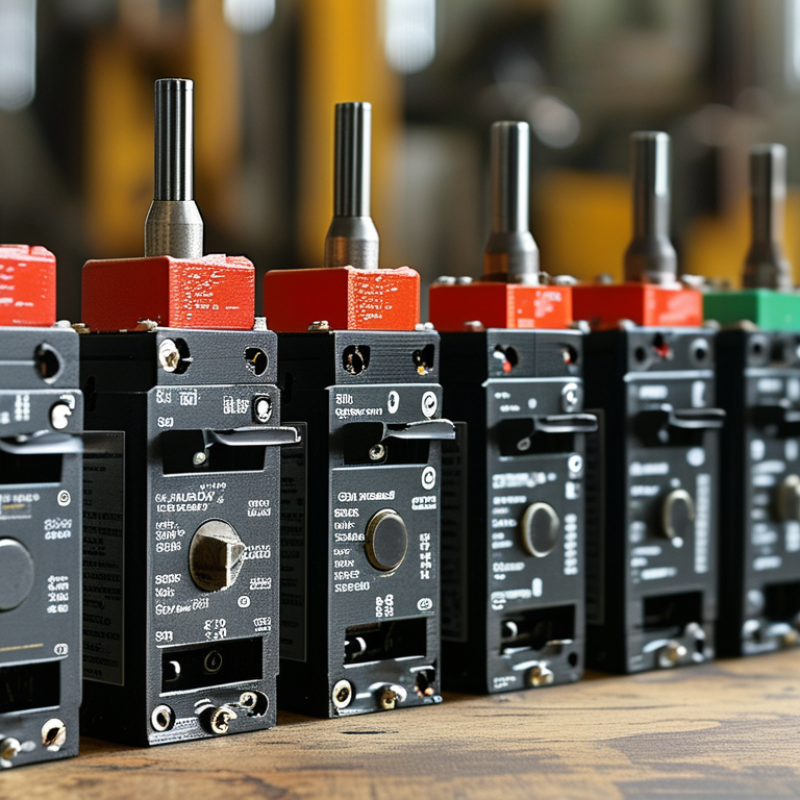
Understanding Micro Limit Switches and Their Applications
Micro limit switches play a crucial role in
automation systems. These tiny devices detect mechanical positions and initiate actions when a set limit is reached. Understanding their applications is essential for choosing the right type for your needs.
In industrial environments, micro limit switches are often used in machinery and automation processes. They can signal when a door is closed or when a component has reached its full extension. This reliability is vital for operational safety.
However, not all switches are created equal. Different designs offer varying degrees of sensitivity and durability.
When selecting a switch, consider the environment. Some setups may expose devices to dust or moisture. This exposure can affect performance. Keep in mind the load capacity and voltage requirements too.
Non-compliance with specifications can lead to failure. Take time to research your options. Understanding these details can prevent costly mistakes.
Key Factors to Consider When Selecting a Micro Limit Switch
When choosing a micro limit switch, several key factors come into play. The operating environment is vital. Is it wet, dirty, or exposed to extreme temperatures? Each condition demands a specific type of switch. Ensuring compatibility with environmental conditions can enhance durability and functionality.
Another critical consideration is the switch's actuation force. This describes how much pressure is needed to activate the switch. Different applications may require lighter or heavier forces. For precise applications, a low actuation force is preferred. For heavy-duty tasks, a stronger force ensures reliable performance.
Tips: Look at the specifications closely. Assess the materials used. Metal enclosures can offer extra protection. Also, think about electrical ratings. Ensure the switch can handle the voltage and current of your system.
In addition to these factors, consider the mounting options. Some switches are designed for specific installations. For example, some may require panel mounting while others are suited for through-hole setups. Choosing the right mechanism guarantees a smooth installation process. Always reflect on how the selected switch will integrate with your existing systems.
Different Types of Micro Limit Switches and Their Features
When selecting a micro limit switch, understanding the different types is crucial. Typically, these switches fall into categories like snap-action, roller, and sealed types. Snap-action switches are highly reliable, boasting a quick response time of fewer than 1 millisecond according to industry standards. Their compact design makes them suitable for tight spaces. However, users must ensure that the switch can handle the specific mechanical loads of their applications.
Roller limit switches offer additional versatility. They come equipped with a rolling arm mechanism that ensures smooth actuation. A recent report highlighted that roller switches can reduce wear and tear, extending their lifecycle. It is vital to assess the switch's travel distance and angular movement to match your requirements.
Sealed switches, on the other hand, are designed for harsh environments. They often have IP ratings indicating their resistance to dust and water. While they provide durability, the trade-off might include a higher cost. Selecting the right type requires weighing the benefits against potential drawbacks, like response time and installation space. Keeping these factors in mind ensures a successful choice tailored to your needs.
Micro Limit Switch Types and Features
Assessing the Electrical and Mechanical Specifications Needed
When selecting a micro limit switch, you need to focus on electrical specifications. Consider the voltage and current ratings carefully. Most switches have specific ranges they operate within. If your application requires frequent switching, look for ones with a higher durability rating. This information can often be found in product datasheets.
Mechanical specifications are equally vital. Check the actuation force and travel distance. Different applications might need different characteristics. For instance, an application requiring a gentle touch needs a lower actuation force. Compare the universal physical sizes to ensure compatibility with your setup.
Some users may overlook the environment where the switch will operate. Dust, moisture, and temperature can impact performance. Not all switches are made the same way. Assess whether additional features like sealing or special coatings are necessary. Each element heightens reliability in demanding conditions, even if it means a higher cost. Be willing to reflect on how much these factors matter to your specific needs.
How to Choose the Right Micro Limit Switch for Your Needs? - Assessing the Electrical and Mechanical Specifications Needed
| Specification |
Description |
| Contact Configuration |
SPST, SPDT, DPDT options |
| Actuation Type |
Tactile, Roller, Plunger |
| Electrical Rating |
6A at 250VAC, 10A at 125VAC |
| Operating Force |
50g to 200g |
| Temperature Range |
-10°C to 85°C |
| Life Cycle |
Mechanical: 10 million operations; Electrical: 100,000 operations |
| Molded Material |
Polycarbonate, Nylon |
| Mounting Type |
Panel mount, PCB mount |
Common Mistakes to Avoid When Choosing a Micro Limit Switch
Choosing a micro limit switch requires careful thought. Many people overlook key specifications. For example, not considering the switch rating can lead to failures. According to industry reports, 30% of equipment malfunctions tie back to inappropriate switch selection. It's imperative to match the voltage and current ratings to your specific application.
Another common error is ignoring environmental conditions. Micro limit switches can fail if exposed to moisture or extreme temperatures. A study revealed that over 40% of switch failures stem from improper environmental assessments. Individuals often assume all switches are versatile. This assumption can lead to significant downtime and costly replacements.
Finally, it's crucial to factor in mounting options. Switching devices need secure installations to operate correctly. Without proper fixing, a switch can become misaligned. An estimated 25% of users frequently make this mistake when installing limit switches. This misalignment can cause operational disruptions, leading to unplanned downtimes.