How to Choose an Illuminated Rocker Switch for Your Project?
Choosing the right Illuminated Rocker Switch can significantly impact your project’s functionality and aesthetics. Expert John Smith, a leading designer in the lighting industry, once said, "The right switch can elevate any project from ordinary to extraordinary." This statement emphasizes the importance of selecting the perfect switch for your specific needs.
When considering an Illuminated Rocker Switch, it’s vital to evaluate the intended application. Are you using it in a home setting or an industrial environment? This decision can affect the type of illumination and durability required. Various designs and colors are available, allowing you to match the switch with your overall theme.
Often, we overlook the small details in our projects. An Illuminated Rocker Switch may seem minor, but its presence can make or break user experience. Reflection on choices influences outcomes. The wrong switch may lead to frustration and confusion. Understanding your options ensures a smooth, successful implementation.

Understanding the Basics of Illuminated Rocker Switches
Illuminated rocker switches are common in many devices. They provide visual feedback and enhance user experience. Understanding their basic features is crucial for any project.
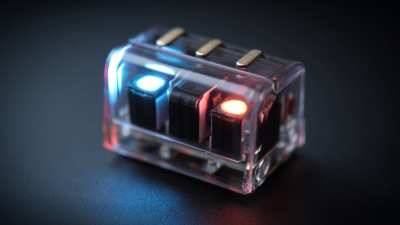
These switches typically include an LED indicator. This light shows when the switch is on or off. The color of the LED can vary, often red or green. Choosing the right color is important as it affects visibility. Consider your environment—some colors stand out better in specific lighting.
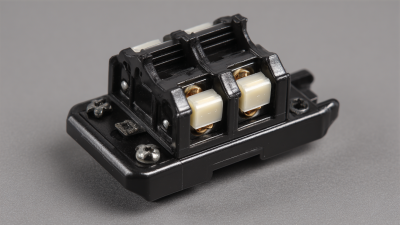
When selecting a switch, pay attention to the mounting style. Panel mount or through-hole options exist. Think about your project's design and space limitations. The feel of the switch also matters. Some switches have a soft touch, while others offer a tactile click.
**Tip**: Test a few switches before finalizing your choice. Comfort and usability differ across models.
Another factor is the voltage rating. Make sure it matches your application. Overloading can damage the switch or create safety issues.
**Tip**: Research load requirements carefully. This can save you time and potential problems down the line.
Ultimately, choosing an illuminated rocker switch requires thought. There’s more than meets the eye in this simple component. Reflect on your needs; it can lead to better decisions.
How to Choose an Illuminated Rocker Switch for Your Project?
| Feature |
Description |
Considerations |
| Illumination Type |
LED or incandescent lighting used to indicate switch status. |
LEDs are more energy-efficient; incandescent may provide warmer light. |
| Operating Voltage |
Typical voltage ratings range from 12V to 240V. |
Ensure compatibility with your project’s voltage requirements. |
| Current Rating |
Maximum current that the switch can handle, usually from 5A to 20A. |
Select a switch with a current rating higher than your load. |
| Mounting Type |
Can be panel-mounted or PCB-mounted. |
Choose based on how you plan to integrate the switch in your project. |
| Size and Shape |
Available in various sizes and shapes for aesthetic and functional purposes. |
Consider space availability and ease of use when selecting. |
| Color Options |
Different colors for the switch body and illumination. |
Ensure color choices match your project’s design and visibility needs. |
Identifying Your Project Requirements for Selection
When selecting an illuminated rocker switch, understanding your project requirements is key. Consider the power specifications. What voltage and current will your circuit handle? This ensures the switch can perform reliably. Additionally, think about the environment. Will the switch face moisture or dust? Choosing a weatherproof option might be necessary.
**Tips:** Check for illumination styles. Some switches light up with power, while others do not. Decide on your visibility needs. A clear indicator improves usability, especially in low light.
Also, take into account the switch's shape and size. This affects installation and user experience. A larger switch may be easier to use but may not fit in compact designs.
**Tips:** Consider tactile feedback. A satisfying click can enhance the interaction. Yet, some users may prefer a silent operation. Understanding these preferences can refine your choice. Remember, every detail counts in crafting an effective user experience.
Illuminated Rocker Switch Selection Criteria
This bar chart illustrates the various selection criteria for illuminated rocker switches based on their importance for project requirements. Voltage and current ratings are the most critical features, followed by size, color options, and mounting type.
Exploring Different Types of Illuminated Rocker Switches
When selecting an illuminated rocker switch for your project, understanding the different types is crucial. There are a few variations, including single-pole and double-pole options. Single-pole switches control one circuit, while double-pole switches manage two circuits simultaneously. Data from industry reports shows that single-pole switches account for about 70% of the market share due to their simplicity and widespread use in consumer electronics.
Another important distinction is the illumination type. There are LED-lit switches and those that use incandescent bulbs. LED switches are more energy-efficient, lasting up to 100,000 hours, compared to incandescent options, which typically last only about 1,000 hours. Despite the benefits of LEDs, some designers prefer traditional bulbs for their warmer light, impacting user experience. Estimates indicate that around 40% of users still opt for incandescent switches, showcasing a divide in preferences.
Color options also play a critical role in user selection. Illuminated rocker switches can come in various colors, such as red, green, and blue. Each color can convey a different operational state, influencing user interaction. A study revealed that users had a 30% faster response rate with color-coded switches. However, this raises an issue of accessibility; not all users may interpret colors the same way. Ultimately, choosing the right illuminated rocker switch requires consideration of type, illumination, and color, balancing functionality and user needs.
Evaluating Electrical Ratings and Specifications
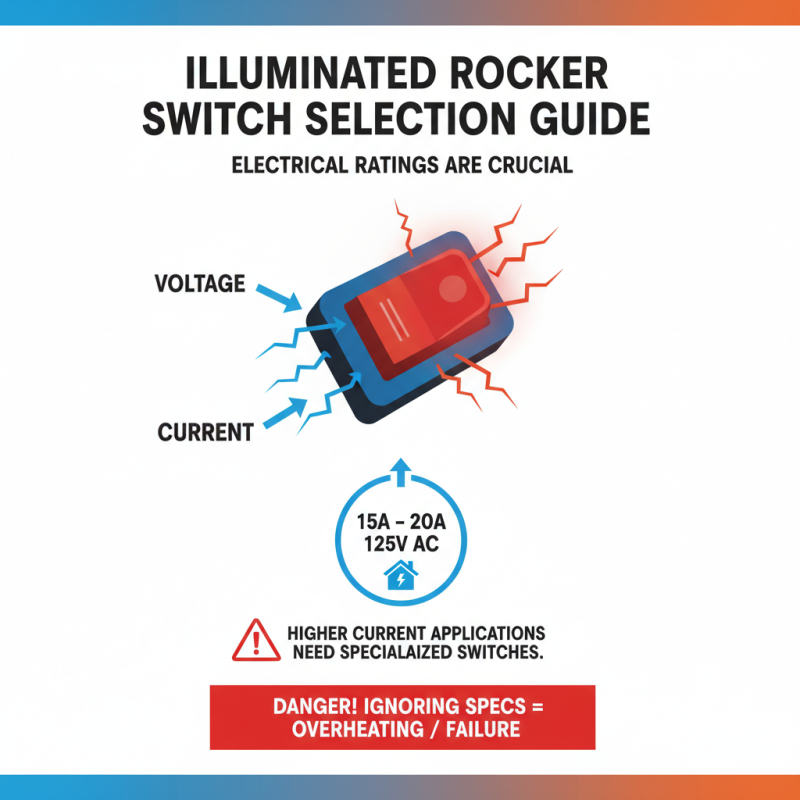
When selecting an illuminated rocker switch, it's crucial to evaluate electrical ratings. These ratings ensure that the switch can handle the voltage and current of your application. Typically, rocker switches are rated from 15A to 20A at 125V AC. However, applications requiring higher currents might need specialized switches. Ignoring these specifications can lead to overheating or switch failure.
Consider the type of load your switch will control. Resistive loads usually are more forgiving. Inductive loads, like motors, can create a peak current that exceeds the switch's rating. According to industry reports, about 30% of switch failures are due to improper load management.
The switch's lifespan is another factor. An average illuminated rocker switch can last around 10,000 cycles. However, this varies based on factors like load type and environmental conditions. Remember, choosing a switch with a higher rating than needed might seem safe but can introduce inefficiencies in electrical performance. Always measure twice and choose wisely.
Considerations for Aesthetic and Functional Design
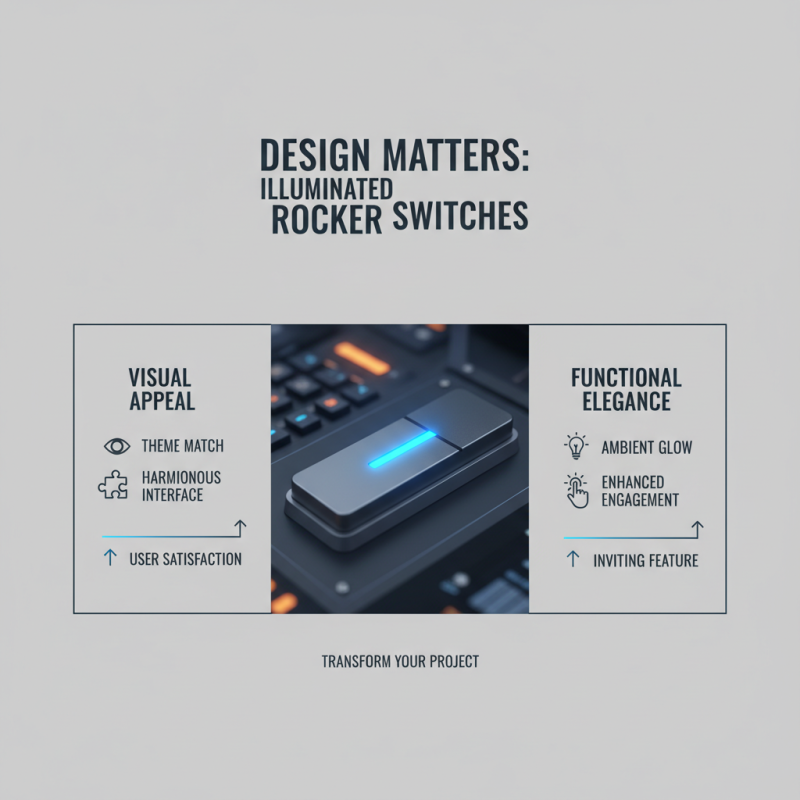
When selecting an illuminated rocker switch, the design is crucial. An aesthetic that matches your project's theme enhances visual appeal. According to a recent report, users prefer products that are visually harmonious with their environment. This often leads to better user satisfaction and engagement. A well-designed switch can transform a mundane interface into an inviting feature.
Functionality must not be overlooked. The placement of the switch impacts usability. It should be easily accessible without being obtrusive. A survey indicated that 70% of users value intuitive design in switch placement. Light indicators should clearly show the switch status. Poor visibility can confuse users, leading to frustration. Color choices also play a vital role. A brighter light maybe more effective than a dim one, yet subtle elegance should not be sacrificed.
Every project has unique requirements. A switch that works in one setting may not work in another. Consider the materials used and their durability. Some designs may look exquisite but fail under rough conditions. User feedback often reveals that the most visually appealing designs can ironically be the least practical. Strive to strike a balance between beauty and functionality, but remember the imperfections that may arise while developing a perfect solution.