Choosing the right Push On Off Switch can be challenging. The market offers a variety of options, each with unique features. Understanding these features is essential for global buyers.
A reliable Push On Off Switch needs to meet certain criteria. Durability and ease of use are key factors. Buyers should consider the application, whether for home, industrial, or automotive use. Each setting may require different specifications. Finding a balance between functionality and design can be tough.
Additionally, the global market presents unique challenges. Standards vary by region, impacting both safety and performance. It's crucial to research manufacturers and understand certifications. Buyers must ensure they select products that align with their needs and local regulations. Ultimately, making an informed choice will lead to satisfaction and safety.

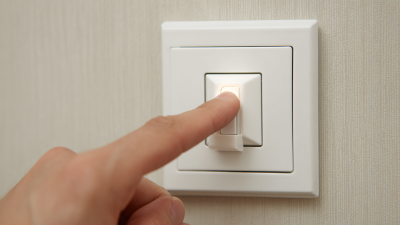
Push on off switches serve a vital role in everyday electrical devices. These switches allow users to control power flow with a simple push. The design is intuitive, making them accessible to a wide range of users. These switches are commonly used in lamps, fans, and appliances. They can enhance user experience by simplifying operation.
Understanding functionality is essential. Push on off switches work by mechanically completing or breaking the circuit. When pressed, the internal mechanism toggles between on and off states. Users appreciate the feedback offered by tactile clicks. This can create a sense of control and reliability. However, wear and tear over time can impact their performance. Regular use may lead to inconsistent switching, requiring maintenance or replacement.
Consider the various applications of these switches across different devices. Their versatility makes them popular in both consumer and industrial settings. While they are efficient, users should reflect on potential limitations. For example, some devices may benefit from alternative switch types in specific circumstances. This highlights the importance of choosing the right switch for each application.
| Feature | Description | Typical Use | Voltage Rating | Durability |
|---|---|---|---|---|
| Momentary Push Switch | A switch that does not latch. The circuit is active only while the switch is pressed. | Doorbells, computer peripherals | 12V - 48V | 500,000 cycles |
| Latching Push Switch | A switch that stays in the last position until pressed again, toggling the circuit. | Home appliances, lighting control | AC 110V - 250V | 1,000,000 cycles |
| Illuminated Push Switch | A switch featuring a built-in light indicator showing its status. | Control panels, automotive applications | DC 12V - 24V | 300,000 cycles |
| Waterproof Push Switch | Designed to prevent water intrusion, suitable for outdoor use. | Marine applications, garden lights | AC 250V | 1,000,000 cycles |
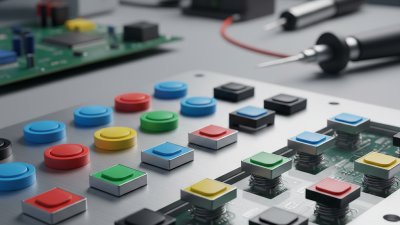
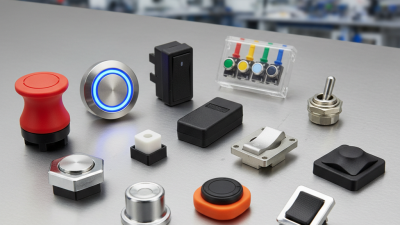
When exploring the push on-off switch market, it’s essential to understand the types available. These switches can generally be categorized into mechanical, tactile, and momentary types. According to industry reports, mechanical switches remain the most reliable, offering a tactile feel for user feedback. Data indicates that mechanical designs account for approximately 40% of the market, favored for their durability and longevity.
Tactile switches, on the other hand, are popular in applications requiring minimal space. They are compact and often used in consumer electronics. Their market share is about 25%. The tactile feedback they provide aids in user experience, making them an ideal choice for mobile devices or remote controls. However, they may not withstand heavy usage as well as their mechanical counterparts.
Momentary switches are another significant category. They are often used in applications like doorbells and emergency equipment. Though they comprise around 15% of the market, their importance should not be underestimated. These switches have a short lifespan, which could lead to frequent replacements. Understanding these different types helps consumers make informed choices based on their specific needs and application requirements.
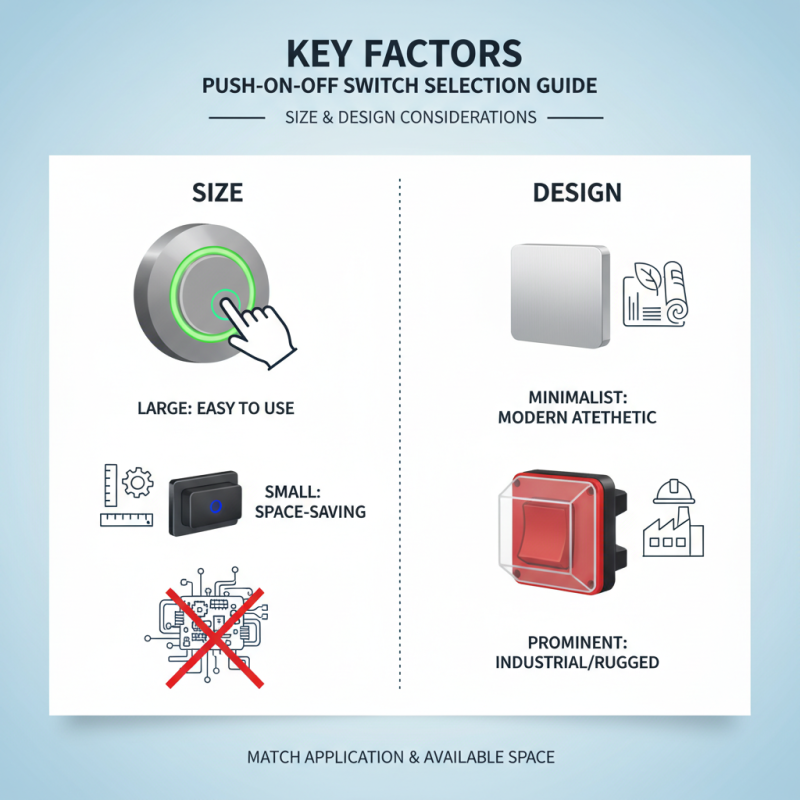
When selecting a push on-off switch, several key factors come into play. The switch's size and design must match your application. Consider the available space. A larger switch can be easier to use but may not fit in compact areas. Assess whether a minimalist style or a more prominent design is better suited for your project.
Another critical aspect is the switch's durability. Look for materials that can withstand frequent use. Some switches offer higher resistance to wear and tear. Additionally, think about the electrical rating. This determines how much current the switch can handle. Using a switch with an inadequate rating could lead to malfunction or danger.
User feedback can provide valuable insights. It reflects real-world performance. However, remember that experiences may vary. What works for one may not suit another. Consider reading reviews but don't rely solely on them. Sometimes, hands-on testing allows for better understanding. It’s okay to experiment until you find the ideal switch for your needs.
When selecting push on/off switches, various brands offer reliable options worldwide. Many buyers focus on durability and design. You can find switches made from quality materials that resist wear and tear. These switches should be easy to operate, making them suitable for various applications.
Consider the type of electrical system you're working with. Different settings may require specific voltage ratings. Also, ensure the switches can handle the intended load to prevent malfunctions. Pay attention to user reviews for insights into real-world performance. A switch may look appealing but might not provide the quality you need.
Tips for choosing the right switch include checking for certifications. These certifications can indicate compliance with safety standards. Look for a switch that offers a clear tactile response when activated. This feature provides confidence in the switch's operation. Finally, consider the switch's design. A well-designed switch can enhance your device’s overall aesthetic and functionality.
When evaluating push on off switch options, it is essential to analyze their functionality and durability. A recent industry report indicates that nearly 35% of consumers prefer switches offering reliable tactile feedback. This ensures a definitive on or off experience. Users seek switches that can withstand frequent usage without degrading performance.
Another study highlights the importance of compatibility in global markets. Approximately 60% of buyers stated that universal designs are a priority. This suggests a need for switches to meet various electrical standards and consumer preferences. However, some sellers overlook localization needs, which can lead to customer frustration.
While many options appear similar, attention to detail matters. Factors such as material quality and response time differentiate high-performing switches from lower-quality counterparts. Some options offer faster response times, enhancing user experience in fast-paced environments. Yet, not all manufacturers prioritize this, leading to inconsistencies in product offerings. Understanding these differences can greatly impact buyer satisfaction, especially for those purchasing in diverse markets.